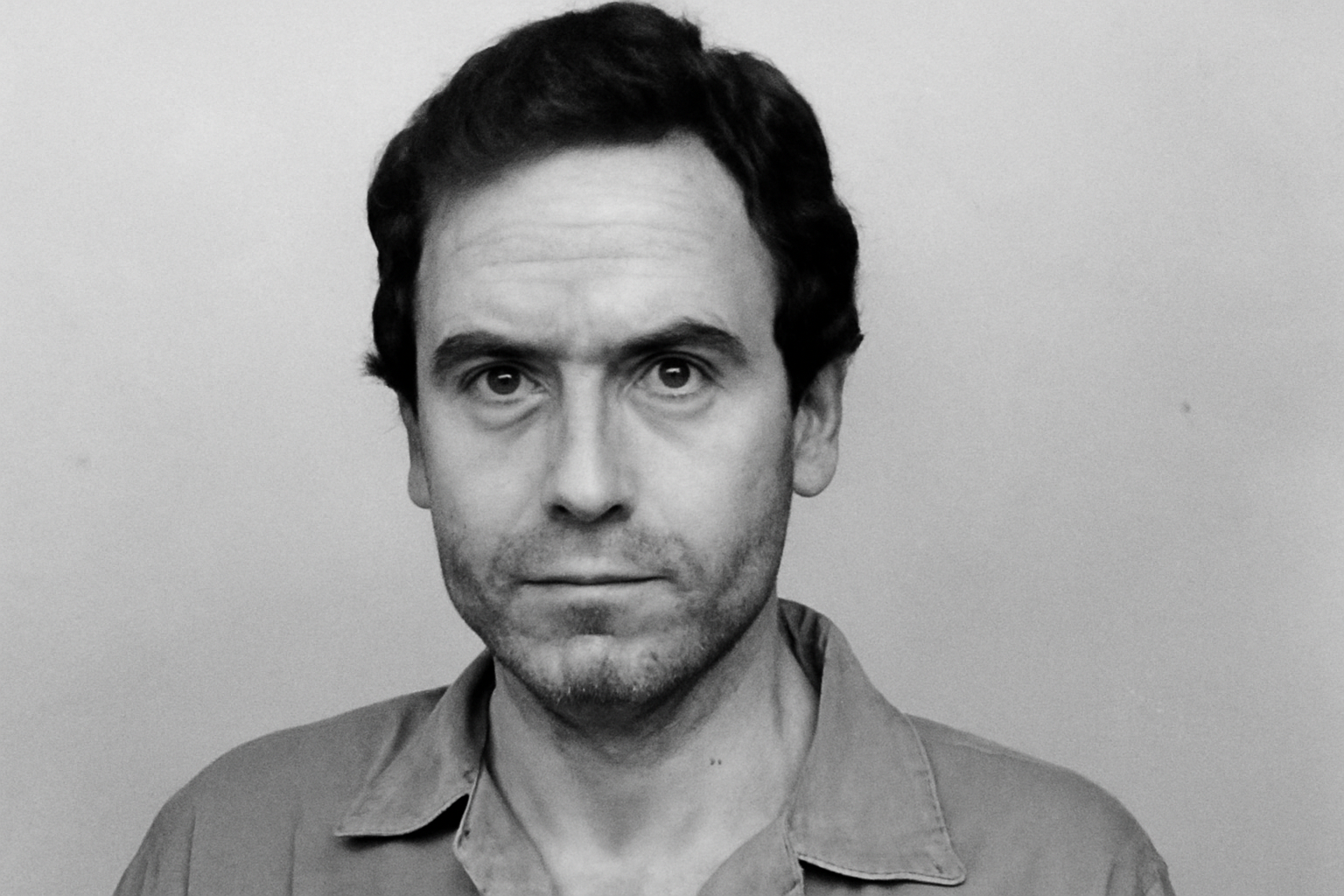
How Did Ted Bundy Get Caught?
Introduction: The Chilling Tale of Ted Bundy’s Capture
Ted Bundy, the infamous serial killer, managed to evade capture for years, leaving behind a trail of brutal murders across the United States. His charm, intelligence, and manipulative nature made him a difficult target for law enforcement. But how did Ted Bundy finally get caught? In this post, we’ll delve into the key events that led to his first and second arrests, the investigative breakthroughs, and the forensic evidence that eventually sealed his fate. By the end of this article, you’ll understand the complex and harrowing process that ultimately brought Bundy to justice.
How Did Ted Bundy Get Caught the First Time?
Ted Bundy’s first arrest in 1975 was more the result of a stroke of luck than a direct link to the string of murders he had been committing. His arrest began as a routine traffic stop, but it quickly escalated when police found disturbing evidence in his car.
The First Arrest: A Suspicious Traffic Stop
On August 16, 1975, Bundy was pulled over by Officer Bob Hayward in Utah. Bundy was driving a tan Volkswagen Beetle, which would later become infamous due to its association with his crimes. Officer Hayward had received reports of suspicious activity in the area, and when he stopped Bundy’s car, he noticed the driver’s nervous demeanor and the fact that he was not being forthcoming with his answers.
Upon searching the car, Officer Hayward found ski masks, handcuffs, and a crowbar. While these items could be explained away, their presence raised enough suspicion for Hayward to arrest Bundy on the spot for possession of burglary tools. At the time, Bundy was not yet directly linked to any murders, but the arrest would prove to be a pivotal moment.
Burglary Tools and Suspicious Behavior
Though the initial arrest was for burglary tools, the evidence soon started to paint a disturbing picture. Bundy’s behavior, combined with the items found in his car, led investigators to connect him to several other disappearances and unsolved crimes in the area. He was linked to a series of attacks on young women across Utah, Oregon, and Washington. His physical appearance—handsome, well-groomed, and charismatic—allowed him to blend in and gain the trust of his victims, making his attacks all the more terrifying.
Despite being arrested in 1975, Bundy’s first real connection to the murders was circumstantial. But it was his escape in 1977 that would add another layer to his criminal history and put him back on the radar of law enforcement.
How Did Ted Bundy Get Caught the Second Time?
Bundy’s second arrest was a direct result of his escape from custody and the subsequent string of violent crimes he committed in Florida. After being arrested in Utah and escaping from a Colorado jail in 1977, Bundy’s killing spree intensified.
Escaping Custody and the Florida Murders
After escaping from a Colorado jail in December 1977, Bundy went on a brutal killing spree in Florida. His return to murder was marked by a violent attack on two young women, Lisa Levy and Margaret Bowman, in the Chi Omega sorority house at Florida State University. Bundy’s method was more violent than ever, as he sexually assaulted and bludgeoned his victims with a blunt object.
In addition to the Chi Omega murders, Bundy also kidnapped and murdered a 12-year-old girl, Kimberly Leach, in February 1978, just weeks after the sorority killings. His violent rampage in Florida marked the beginning of the end for Bundy, as law enforcement started to close in on him.
Bundy’s Final Arrest: A Routine Traffic Stop
Ted Bundy’s second capture came on February 15, 1978, in a routine traffic stop in Pensacola, Florida. By this time, police had connected the murders in Florida to the manhunt for Bundy. Officers on patrol had seen Bundy’s car and recognized him from a police bulletin.
Upon stopping him, the officers found Bundy to be acting suspiciously, and after further investigation, they confirmed that Bundy was the prime suspect in several high-profile murders.
This arrest marked the end of Bundy’s reign of terror. His car was searched, and authorities found items linked to his victims, including stolen items from his earlier crimes. Bundy was arrested for the murder of Kimberly Leach, one of his most recent victims, and this would be the crime for which he was eventually sentenced to death.
How Did Ted Bundy Get Caught? The Role of Investigation and Forensics
Ted Bundy’s capture wasn’t just the result of chance. It was the product of persistent law enforcement efforts, forensic breakthroughs, and the cooperation of witnesses who had survived his attacks.
The Witnesses: Survivors and Victim Testimonies
One of the most crucial elements in Bundy’s arrest was the bravery of the survivors who managed to escape from his clutches. These survivors provided police with detailed descriptions of Bundy’s appearance, his demeanor, and his car, all of which helped law enforcement build a psychological profile of the killer. The descriptions matched Bundy’s physical appearance, which was critical in linking him to multiple murder scenes.
In some cases, these survivors were able to provide eyewitness testimony during Bundy’s trial, helping to solidify his connection to the crimes. Bundy’s charm, however, made it difficult for some victims to initially recognize the danger he posed.
Forensic Evidence: Fingerprints, Bite Marks, and Tire Impressions
Forensic evidence played a pivotal role in Ted Bundy’s capture and conviction. Investigators discovered tire tread impressions at several crime scenes that matched Bundy’s car. Additionally, Bundy’s dental impressions were found to match bite marks on the bodies of some of his victims. The identification of these bite marks, along with other physical evidence, linked Bundy directly to the murders.
Bundy’s fingerprint was also found at the crime scene in Florida, further corroborating the evidence against him. The breakthrough in forensic science—particularly the use of bite mark analysis—was key in securing his conviction.
Psychological Profile and Behavioral Patterns
In addition to physical evidence, Bundy’s psychological profile helped investigators understand his behavior. Ted Bundy was often compared to other notorious serial killers, such as Ed Gein, because of his ability to manipulate and deceive. However, Bundy’s crimes were far more calculated and brutal. Behavioral profiling helped law enforcement anticipate his next moves and ultimately led to his final capture.
How Did Ted Bundy Get Caught? The Ed Gein Comparison
While Ted Bundy’s crimes were distinct from Ed Gein’s, there were similarities in the way both killers targeted women. Gein’s crimes were driven by psychological issues and his obsession with his mother, while Bundy’s motivations were more complex and tied to his need for control and power over his victims.
Bundy’s M.O. vs. Ed Gein’s Crimes
Bundy’s method of luring women by pretending to be injured or in need of help was similar to Gein’s ability to manipulate others. However, Bundy’s ability to blend into society and gain the trust of his victims set him apart. Both men, however, left lasting legacies in the world of criminal psychology.
Conclusion: Ted Bundy’s Legacy and the Enduring Importance of Persistence in Law Enforcement
Ted Bundy’s capture is a chilling reminder of the power of persistence and collaboration in criminal investigations.
His case stands as a testament to the tireless efforts of law enforcement, the invaluable input of surviving victims, and the groundbreaking advances in forensic science that ultimately brought one of America’s most notorious serial killers to justice.
While Bundy’s first arrest in 1975 came about thanks to a routine traffic stop—a stroke of luck for investigators—it was his second capture that proved to be the decisive turning point.
After a brutal escape from a Colorado jail and a string of violent murders in Florida, law enforcement across multiple states mobilized in a highly publicized manhunt.
Bundy’s ability to evade capture for so long was partly due to his manipulative charm, which allowed him to blend in with society and deceive people into thinking he was a harmless, well-educated man. But the mounting pressure from investigators, survivors, and forensic experts eventually led to his downfall.
The breakthrough in Bundy’s case came through a combination of eyewitness testimonies, the relentless work of detectives, and critical forensic evidence—such as bite marks, fingerprints, and tire tread impressions—that tied him to the crimes.
Survivor testimonies were instrumental in building the case against him, showing how crucial it is for victims to be heard and how their bravery in recounting their experiences can significantly aid investigations. Bundy’s eventual conviction would not have been possible without these contributions.
Bundy’s legacy is a dark one, but it is also a crucial case study in the importance of investigative diligence. It serves as a chilling reminder that even the most charming and seemingly ordinary individuals can hide terrifying secrets. Forensic science, victim advocacy, and behavioral profiling all played vital roles in connecting the dots and ultimately securing justice.
His case also highlights the importance of overcoming challenges in criminal investigations—whether it’s dealing with a manipulative suspect or navigating the complexities of new forensic technologies.
For more articles click HERE
About the Author


